








How Lifestyle & Climate Impact Nutritional Needs in the GCC Countries

Living in the Gulf comes with unique health and nutrition challenges that generic diet plans often fail to address.
In countries like the UAE and Saudi Arabia, extreme heat, sedentary indoor habits, cultural norms, and fasting practices such as Ramadan create distinct physiological needs that differ from those in temperate regions.
Environmental heat accelerates nutrient loss through sweating, while limited sun exposure and clothing styles contribute to the prevalence of vitamin D deficiency in the GCC despite abundant sunshine.
Addressing these factors with evidence-based guidance — including proper hydration strategies in hot climates, targeted nutrients, and safe supplement use — is essential for optimal well-being. (wjbphs.com)
Why Lifestyle & Climate Matter More Than Generic Diet Plans
Hot Climate Effects: Sweating, Dehydration, Nutrient Loss
In the UAE and KSA, high mean temperatures and humidity increase fluid and mineral loss through sweating, raising demand for electrolytes and minerals such as magnesium — especially among those exposed to heat for long periods (e.g., outdoor workers).
This makes supplements for hot climates and electrolyte strategies particularly relevant. While direct GCC dehydration prevalence data are limited, heat-induced fluid loss is a well-recognized physiological stressor in tropical and desert environments.
Sedentary Lifestyle Effects
Urbanization and office-based jobs often reduce overall physical activity without necessarily reducing micronutrient requirements. Sedentary lifestyles can contribute to:
-
Lower vitamin D from lack of outdoor exposure
-
Reduced metabolic demand but persistent micronutrient needs
-
Increased stress and oxidative strain
This underscores the importance of supplements for a sedentary lifestyle tailored to micronutrient gaps that may not be apparent in routine diets.
Ramadan Fasting Impact on Hydration and Micronutrients
The practice of fasting from dawn to sunset alters hydration rhythms and intake patterns in the GCC each year. This can challenge electrolyte balance and micronutrient intake. Safe supplementation during non-fasting hours can help mitigate risks — but must be personalized and evidence-based.
How We Evaluate Nutritional Needs in GCC Residents
|
Evaluation Area |
What We Look For |
|
Scientific evidence |
GCC-specific research, human studies |
|
Climate impact |
Heat, humidity, sun exposure, and seasonal changes |
|
Lifestyle patterns |
Sedentary work, fasting, urban stress |
|
Safety & dosage |
Supplement safety and side effects, tolerability |
|
Regulatory considerations |
UAE/KSA guidelines, food fortification practices |
This framework ensures recommendations are both clinically sound and locally relevant.
Nutritional Challenges in the GCC & Recommended Strategies
1. Vitamin D Deficiency Prevalence
Despite high UVB availability, vitamin D deficiency is widespread across GCC countries due to limited sun exposure, cultural clothing practices, and urban indoor lifestyles. (wjbphs.com)
-
Systematic reviews show high deficiency rates across GCC populations. (wjbphs.com)
-
In the UAE, pooled data from multiple studies found average serum levels indicative of deficiency in healthy adults. (Frontiers)
-
Meta-analyses across the Arab region point to ~50% deficiency prevalence and up to ~75% suboptimal vitamin D status overall. (Springer)
2. Electrolyte Loss in Hot Climates
Heat exposure inherently increases sweat output, which carries sodium, potassium, and magnesium — electrolytes critical for hydration, muscle function, and cardiovascular balance. Hydration strategies in hot climates should account for this multi-mineral loss.
3. Micronutrient Gaps in Sedentary vs. Active Populations
While calorie needs may decline with sedentary behavior, micronutrient requirements (e.g., magnesium, omega-3s) may persist or increase due to stress, inflammation, and poor dietary choices. This reinforces climate-based nutrition approaches that go beyond generic guidelines.
Key Nutrients & Supplements to Consider
Below are core nutrients backed by clinical evidence and practical for Gulf lifestyles.
Vitamin D
-
Supports bone strength, immunity, and metabolic regulation
-
Deficiency is common even with abundant sunshine in the Gulf. (wjbphs.com)
Magnesium & Electrolytes
Magnesium is essential for:
-
Muscle relaxation
-
Stress response
-
Energy metabolism
Electrolyte blends support hydration and performance in heat.
Omega-3 & Antioxidants
Omega-3s support cardiovascular and cognitive health — especially valuable for individuals with low physical activity:
-
Heart function
-
Inflammation balance
-
Cell membrane integrity
Collagen & Skin Support
Gulf climates can accelerate skin aging via UV exposure and dryness. Collagen supplementation may aid:
-
Skin elasticity
-
Joint comfort
-
Hair and nail resilience
Adaptogens & Stress Management
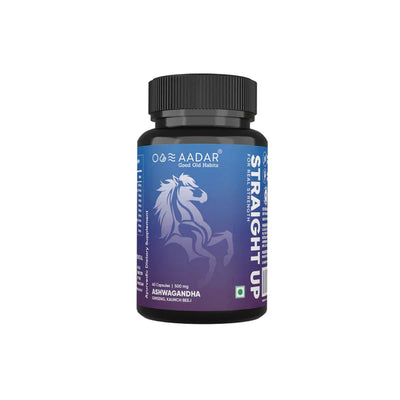
Adaptogens like ashwagandha support cerebral and hormonal stress adaptation. Use cautiously and under supervision when combined with other medications.
Safety, Dosage & Quality Considerations
Supplement use should always consider:
-
Appropriate supplement dosage guide
-
Third-party certification and lab testing
-
Avoiding unnecessary stacking
-
Awareness of interactions and side effects
This helps optimize benefits while minimizing risks.
How to Personalize Nutrition & Supplement Choices
|
Lifestyle Factor |
Common Needs |
Helpful Supplements |
|
Indoor/Office Work |
Vitamin D, Omega-3 |
Vit D3, Omega-3 |
|
Outdoor/Heat Exposure |
Electrolytes |
Mg + electrolytes |
|
Ramadan Fasting |
Hydration support |
Electrolytes (non-fasting) |
|
High Stress |
Stress resilience |
Adaptogens |
This aligns with recommended nutrient intake in the UAE and broader GCC.
FAQs About Lifestyle & Climate-Driven Nutrition
1. How does a hot climate affect my vitamin requirements?
Heat increases sweat and micronutrient loss, making electrolyte support and vitamin D awareness important.
2. Can I take multiple supplements during Ramadan?
Yes — within non-fasting hours — and in personalized, evidence-based doses.
3. Which nutrients are most critical for sedentary office workers?
Vitamin D, omega-3s, and magnesium are top considerations for many GCC residents.
Conclusion – Tailoring Nutrition for GCC Residents
In the UAE & KSA, climate and lifestyle shape nutritional needs in ways that generic recommendations often overlook. Evidence-based personalization — with targeted food, hydration, and supplement strategies — can improve health outcomes and resilience. For deeper insights, explore our linked cluster articles focused on specific nutrient strategies and implementation.